

College of Media Updates its Curricula to Align with International Standards
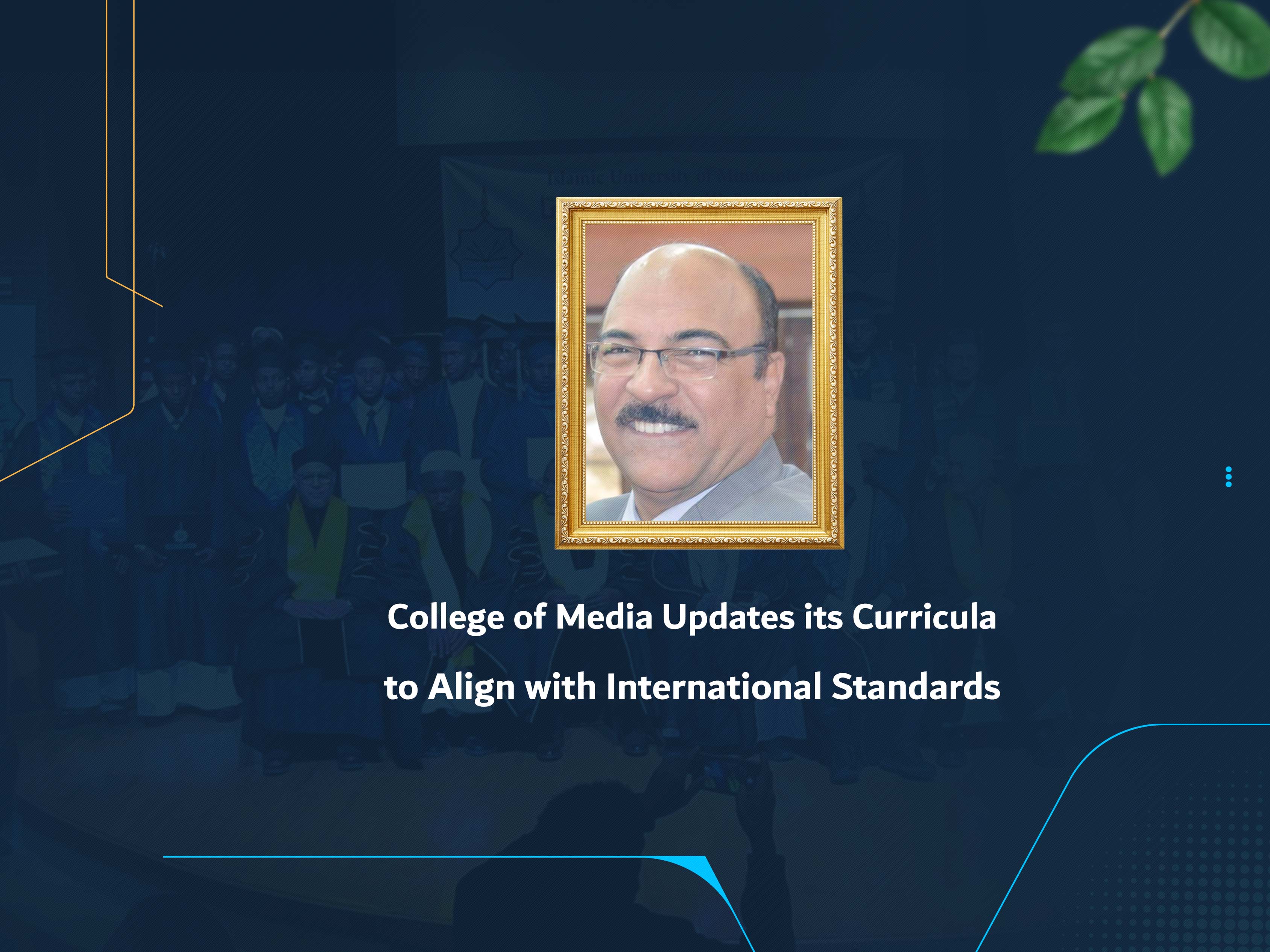
Professor Abdulsalam Al-Wahati, Dean of the College of Media at the Islamic University of Minnesota, announced the launch of a comprehensive process to update the college's study plans and curricula. This initiative aims to align with the latest international academic standards and keep pace with rapid developments in the media industry.
The announcement came during his chairmanship of a meeting of the college's Curriculum and Study Plans Committee. The meeting was attended by the Vice Deans and a number of faculty members distinguished by their academic and specialized expertise. This development is part of the college's strategy for continuous improvement of its educational programs, ensuring they meet quality and academic accreditation requirements while bridging the gap between theoretical knowledge and the demands of the local, regional, and international media job market.
The Dean clarified that the development process follows a clear, methodological scientific vision. He indicated that the committee has already successfully updated graduate programs, representing the first step within a comprehensive project to develop all of the college's academic offerings.
The meeting was attended by a constellation of prominent academics, including Professor Dr. Hanan Sobhi Obeid (Head of the Graduate Studies Department and Scientific Vice Dean), and Associate Professor Dr. Badi'a Abdulqader (Head of the Undergraduate Department and Administrative Vice Dean), alongside a select group of professors and faculty members.
Attendees discussed mechanisms for reviewing and updating current courses, establishing precise descriptions for them to ensure the integration of scientific content, balance between theoretical and applied aspects, and the achievement of targeted learning outcomes for both undergraduate and graduate programs.
The Dean affirmed that updating undergraduate programs primarily aims to enable graduates to keep pace with the technological and scientific revolution in various media fields and enhance their competitive and creative capabilities. The updated curricula will be designed to align with international best practices, positioning the college's graduates strongly in various job markets.
During the meeting, four specialized sub-committees were formed: the Digital Journalism Committee, the Media Production Committee, the Digital Media Committee, and the International Public Relations Committee. Each committee was assigned specific tasks, including reviewing study plans, preparing and updating course descriptions within its field, ensuring alignment with quality and accreditation standards, and linking educational content to the latest professional and technological trends in the media field.
In his concluding remarks, Professor El Wahati stressed the importance of teamwork and diligent coordination among all committee members to ensure tasks are completed within the specified timeline. He emphasized the necessity of submitting the final recommendations to the College Council for approval, which will contribute to elevating the educational process and solidifying the College of Media's position as a leading academic beacon, within the framework of joint efforts with the university administration to achieve a distinguished international standing.
